For most of history, ‘Anonymous’ was a woman
-Virginia Woolf
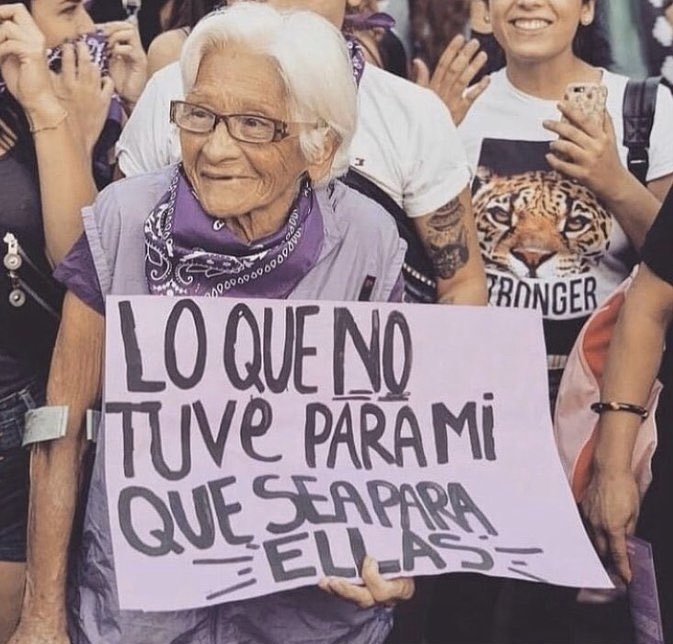
“What I didn´t have for myself, let it be for them.” (A poweful message carried by a woman during the 2020 Women´s March in Mexico City. A reminder that our fight is for the generations to come.”
Every year, on March 8th, women around the world mark International Women’s Day (IWD). But how we experience and express this day varies greatly depending on where we come from. For many women in Latin America, Europe, and other parts of the world, March 8th is not a day of celebration—it is a day of protest, remembrance, and a collective demand for justice and equality. In contrast, in Canada, this day is often observed through messages of appreciation, recognition, and even well-meaning “Happy Women’s Day” greetings.
For immigrant women, this contrast can feel unsettling. It may even create a disconnect between how we honor this day in our home countries and how it is perceived in our new community. But rather than dismissing these differences, there is an opportunity for dialogue, understanding, and mutual learning.
A Day of Protest, Not Celebration
Growing up in Mexico, IWD was not a day for flowers or kind words. It was a day for women to take to the streets, to march in solidarity, and to raise their voices against gender-based violence, femicide, and systemic injustices. It was a day when mothers searching for their missing daughters led protests, when activists demanded better protections for women, and when entire cities turned purple with banners, chants, and demonstrations.
This is not unique to Mexico. Across Latin America, women use this day to make their struggles visible. In Spain, massive marches flood the streets. In Argentina, feminist movements demand reproductive rights. In Chile, performance art becomes a form of protest. This is what International Women’s Day means to us: a fight, a statement, a movement.
The Canadian Perspective: Recognition and Appreciation
Moving to Canada, I experienced something very different. Here, IWD is often marked by corporate luncheons, inspirational panels, and messages of encouragement for women’s achievements. People greet women with “Happy Women’s Day” as if it were a celebration, similar to Mother’s Day or Valentine’s Day.
At first, this felt dissonant. How could this day, which in my experience was filled with pain, urgency, and activism, be treated so lightly? But over time, I came to understand that Canada, with its own social and historical context, has a different approach to gender issues. While challenges for women still exist here—such as the gender pay gap, underrepresentation in leadership, and discrimination—Canada has made significant progress in gender equality compared to many other countries. This allows for a more reflective and appreciative tone on IWD rather than an urgent call for action.
Building Bridges: How Can We Navigate These Differences?
So, how do we, as immigrant women, navigate this difference in perspectives? How do we honor our own experiences while also engaging in the reality of the country we now call home?
- Educate, Don’t Condemn – Instead of reacting negatively when someone wishes us a “Happy Women’s Day,” we can use it as an opportunity for conversation. A simple, “Thank you! In my country, we see this day differently—it’s more about protest and activism” can open a meaningful dialogue.
- Share Our Stories – Many Canadians may not be aware of how IWD is observed in other parts of the world. By sharing our experiences—whether through conversations, social media, or community events—we can help build awareness and empathy.
- Engage Locally – While activism on IWD in Canada may look different, it does exist. Supporting women’s shelters, advocating for Indigenous women’s rights, and participating in discussions on workplace equity are ways we can contribute to change in our new home.
- Find Common Ground – Though the expressions of IWD differ, the core message remains the same: the fight for gender equality, safety, and dignity. Recognizing this common goal helps us connect across cultures.
A Day for All Women
International Women’s Day is not about receiving flowers or rejecting them. It is about understanding why we mark this day the way we do and respecting how others do as well. As immigrant women, we have the unique ability to bridge worlds, to bring global perspectives into local conversations, and to enrich our new communities with our lived experiences.
So this March 8th, let’s not get frustrated by the differences—let’s use them to start meaningful conversations. Let’s bring our voices to the table, not just to be heard, but to create understanding. Because no matter where we come from, the fight for women’s rights is one that belongs to all of us.
👉 Now, we want to hear from you! How is International Women’s Day observed in your home country? What does March 8th mean to you? Share your experiences in the comments or message us—we’d love to learn from each other and build a stronger, more connected community.
 BUILD HER FUTURE
Leave a comment