
Samantha Goode
“We women are like monarch butterflies that, year after year, migrate and move away from the cold, traveling over 5,000 kilometers guided by the sun, carrying with us the power of change, the hope of a new beginning, and the promise of a better future.”
Canada is a country with a rich history of immigration, a mosaic of cultures, ethnicities, and origins that have shaped its identity. From its earliest inhabitants to the most recent migrants, each wave of immigration has added a new layer to Canada’s vast and diverse culture. Every migration involves crossing borders and identities, and with distance, we are compelled to see ourselves from a new perspective, transforming ideas that once seemed immutable into significant realities. In this context, the role of the migrant woman has been fundamental to Canada’s economic, social, and cultural
development. In this article, the first of our “BuildHer Future” project, we will explore what it means to be a migrant, especially for women, their importance in Canadian society, and their growing participation in trades, with an emphasis on the construction industry.
What Does It Mean to Be a Migrant?
The word “migrant” comes from the Latin “migrans,” which means “those who move” or “those who change place.” This word captures the essence of the migratory experience: movement, transition, and constant change. For many, migration is a necessity imposed by economic, political, or social circumstances. For others, it is a choice for better opportunities or a fresh start. But being a migrant goes beyond the simple act of moving from one place to another; it is a journey of adaptation, resilience, and redefinition of identity.
The Migrant Woman in Canada: A Fundamental Pillar
In Canada, migrant women have built strong communities and contributed to the country’s economic growth. Throughout history, these women have faced significant barriers, from racial and gender discrimination to the lack of recognition of their credentials and professional skills. However, their resilience and unwavering determination to improve their lives and those of their families are truly inspiring.
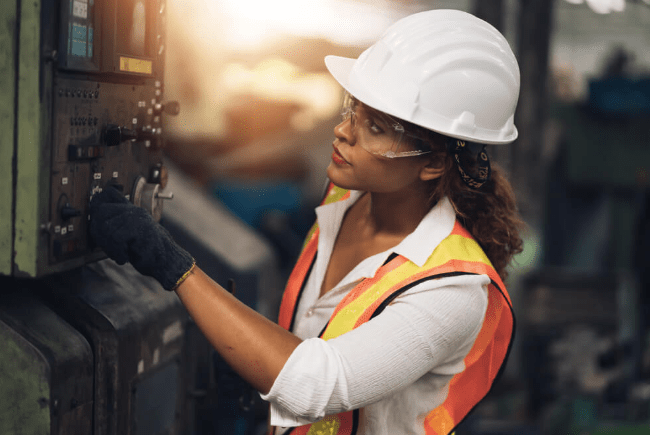
Today, migrant women are increasingly present in all sectors of the Canadian economy, including trades and construction. This traditionally male-dominated industry has begun to open up to female participation, recognizing the importance of gender diversity and the wealth of skills that women can bring.
However, migrant women in the construction industry still face specific challenges, such as the physical demands of the work and the need for additional safety measures. From carpenters and electricians to engineers and architects, migrant women are challenging stereotypes and redefining what it means to work in construction.
Cultural Barriers and Progress in the Integration of Migrant Women
Migrant women in Canada face significant cultural barriers, including differences in gender roles, cultural expectations, and communication challenges due to language.
Despite these obstacles, considerable progress has been made in the integration and support of migrant women. Community organizations, government programs, and social movements have played an essential role in supporting these women, providing them with access to educational resources, job training, and networking opportunities.
Moreover, the growing awareness of the importance of diversity and inclusion in the workplace has led to a positive shift in attitudes toward migrant women. Companies in the construction industry and other sectors are beginning to recognize the value of hiring women from different backgrounds and experiences, which enriches the work environment and drives innovation and efficiency.
The Future of Migrant Women in Trades and Construction
As Canada continues to face challenges related to the housing crisis, the participation of migrant women in the construction industry could be a game-changer. With their diverse skills and unique perspectives, these women have the potential to significantly contribute to developing innovative and sustainable solutions in the housing sector, giving us reasons to be optimistic about the future.
In our next article, we will delve into what home means literally and metaphorically and how the female migrant workforce can play a key role in strengthening communities and mitigating the housing crisis in Canada. We will underscore the importance of recognizing and valuing these women’s skills, as their contribution is invaluable and deserves our utmost respect and appreciation.
We invite our readers to continue with us on this journey of exploration and
understanding of migration dynamics and the role of women in building a better Canada. Until the next installment of “Build Her Future.”
 BUILD HER FUTURE
Leave a comment